Your First Surfboard The Ultimate Beginner’s Guide to Choosing Your First Surfboard



Follow Us :


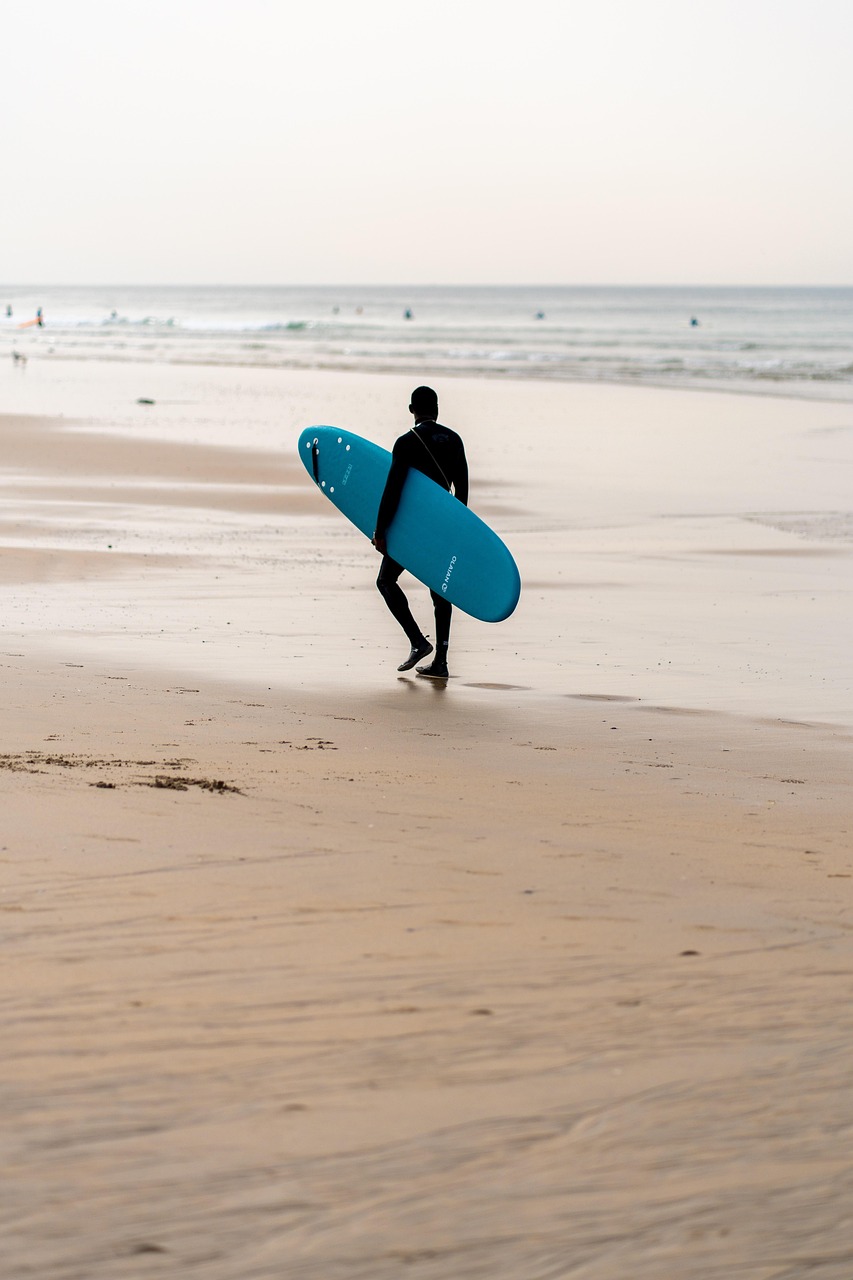
So, you’ve decided to start surfing. Congratulations! You’re about to begin an amazing journey that connects you with the ocean, challenges your body, and sharpens your focus. Before you paddle out and catch your first wave, there’s one important decision to make: choosing your first surfboard. With so many shapes, sizes, and materials available, it can feel confusing at first. This guide will help you understand the basics so you can pick the best board to start your surfing adventure.
Why Choosing the Right Beginner Surfboard Matters
Your first surfboard plays a big role in shaping your early surfing experience. The right board will give you balance, confidence, and the ability to catch more waves. On the other hand, the wrong board can lead to frustration and slower progress. That’s why it’s important to understand a few key points before you make a choice.
Key Things to Consider
Size and Volume
For beginners, bigger boards are usually better. A longer board, often between 8 and 9 feet, with more volume will float more easily. This makes it easier to balance and paddle, which are essential when you’re just starting out.
Shape
Look for a board with a rounded nose and a wide, stable shape. Soft-top longboards are great for beginners because they offer more surface area, which helps with both paddling and standing up.
Material
Soft-top foam boards are ideal when you’re learning. They are lighter, safer, and more forgiving than hard-top boards. This makes them perfect for small, beginner-friendly waves.
Wave Conditions
Think about the kind of waves you’ll be surfing. If your local beach has small, gentle waves, a longboard is a solid choice. If the waves are a little stronger or steeper, you might consider a funboard or mini-mal.
Your Size and Fitness Level
If you’re taller or heavier, you may need a board with more volume to support your weight. A larger board will also make it easier to paddle, especially if you’re not yet in surf shape.
Bonus Tips
Try renting or borrowing a few different boards to see what feels comfortable.
Ask local surfers or instructors for advice, especially if you’re not sure what suits your local break.
Avoid the temptation to switch to a shortboard too soon. Learning on a longer, more stable board will help you progress faster and enjoy the process more
Your first surfboard is more than just a piece of gear. It’s the foundation of your surfing journey. Choosing the right one can make all the difference in how quickly you improve and how much fun you have along the way. Focus on stability, safety, and ease of use. With the right board under your feet, you’ll be catching your first waves with a big smile and building skills that last a lifetime. The ocean is waiting, and your surf adventure is just beginning.

Surfing is more than just a sport; it’s a lifestyle, a way to connect with…