

Choosing the Right Surfboard: Shortboards, Longboards, and Softboards

Surfing is more than just a sport; it’s a lifestyle, a way to connect with the ocean, and a never-ending journey of progression. Whether you’re standing on a board for the very first time or you’ve been paddling out for years, one thing always remains true: the board you choose has a huge impact on how you surf. Each type of surfboard has its own personality, strengths, and quirks, and understanding those differences can help you get the most out of your sessions. The three most common choices are shortboards, longboards, and softboards. Let’s dive deeper into what makes each one unique and which might be the best fit for you.
1. Softboards
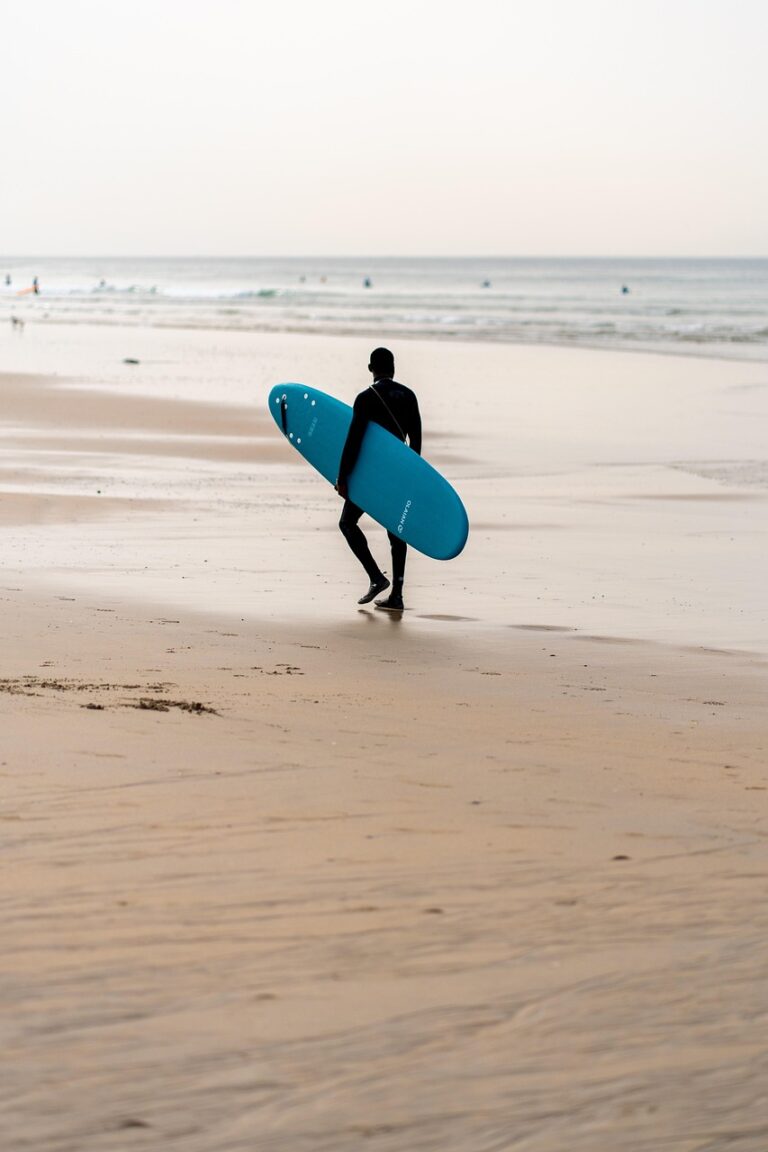
Softboards, often called foamies, are the ultimate choice for safety, fun, and accessibility. With a foam construction on the deck, these boards are softer and more forgiving, which makes wipeouts a lot less intimidating. They’re usually built wider and thicker, providing stability and float that makes catching waves much easier. This is why surf schools around the world rely heavily on softboards for teaching beginners—the learning curve is smoother, and students can focus on standing up and riding without worrying about injuries from hard fiberglass boards.
But don’t mistake softboards as only being for beginners. In recent years, many experienced surfers have rediscovered foamies as playful alternatives on small, summer waves. They encourage a more relaxed, carefree style of surfing, where the goal is less about performance and more about pure fun. You don’t have to stress about dings, dents, or damaging the board, which makes them great for travel and for sharing with friends. Whether you’re just starting out or simply looking to enjoy lighthearted sessions, a softboard can turn even small, mushy waves into something worth paddling for.


2. Longboards
On the opposite end of the spectrum, longboards are the timeless classics of the surfing world. With lengths ranging from 8’ to over 10’, they are wide, stable, and incredibly buoyant. This extra surface area makes paddling into waves much easier, allowing you to catch even the smallest, slowest rollers. Longboards thrive in mellow conditions, making them perfect for surfers who enjoy a smooth, stylish approach. Instead of fast maneuvers, think graceful glides, long rides, and plenty of time to soak up the feeling of being on the wave.
One of the signature moves on a longboard is nose riding, where the surfer walks up to the front of the board and balances with toes hanging off the nose. Another is cross-stepping, which adds flow and elegance to the ride. Because of their forgiving nature, longboards are excellent for beginners, but they are equally loved by advanced surfers who want to slow things down and express themselves in a more artistic style. Riding a longboard feels less like a sprint and more like a dance with the wave.
3. Shortboards
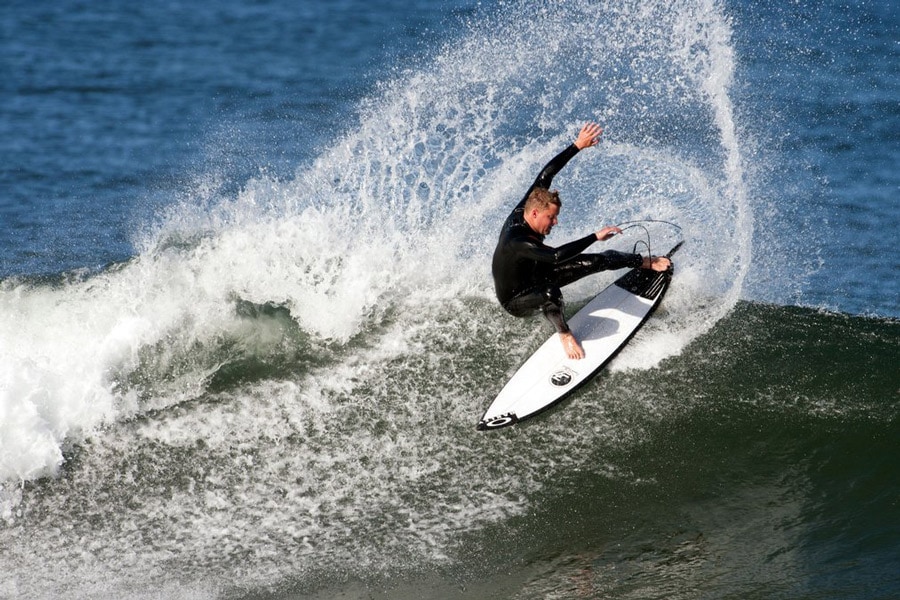
Shortboards are the board of choice for surfers who crave speed, sharp turns, and dynamic maneuvers. Usually between 5’6” and 7’, these boards are sleek, narrow, and lightweight, designed to cut through waves with precision. The pointed nose allows surfers to take off late on steeper waves, while the thinner rails make it easier to dig into the face of the wave for quick turns. Shortboards excel in medium to large waves where the energy of the ocean provides enough push to match the board’s performance.
That said, shortboards are not very forgiving. Paddling is harder compared to other types of boards, and balancing takes more practice. This is why they’re generally better for intermediate to advanced surfers who already feel comfortable catching waves. If you’re looking to push your limits, experiment with tricks like cutbacks or even aerials, and feel the thrill of high-performance surfing, a shortboard is where the fun begins. It’s a board that challenges you every session but rewards you with adrenaline-pumping rides once you master it.
Each surfboard type offers a different way to experience the ocean. Shortboards bring out the adrenaline rush of high-performance surfing, challenging you to push your limits. Longboards slow things down, inviting you to ride with elegance, flow, and style. Softboards strip surfing back to its roots: fun, safety, and accessibility for anyone who wants to try. The right board for you depends on your skill level, the conditions you surf in, and the style of surfing you want to embrace.
In the end, there’s no single best surfboard, only the best board for you. Many surfers even keep a mix of boards so they can match their equipment to the waves and their mood. Whether you’re chasing powerful barrels, gliding on ankle-high peelers, or laughing with friends on foamies, what matters most is that you’re out there, enjoying the ride, and sharing the stoke.